


As we enter a new era, many people ask, what is next gen technology? The term next-generation technology covers emerging tools and systems that change how we live, work, and communicate. These advances may solve hard problems and improve daily life.
Future technology includes artificial intelligence, quantum computing, extended reality, and biotechnology. Together, these innovations form a vast, connected field. They rely on connected data, automation, and intelligent software rather than working alone.
As we adopt emerging technology, we must also consider its effects. Privacy, safety, employment, and equity questions arise as these tools enter daily life. This article gives a practical overview, showing both their benefits and challenges.
Key Takeaways
- Next-generation technology includes tools that enhance our daily lives.
- Major innovations involve AI, quantum computing, and biotechnology.
- These technologies work together through connected data and automation.
- Emerging tech raises important questions about privacy and safety.
- This article offers a balanced view of benefits and challenges.
What Is Next-Gen Technology and Why It Matters
The next-gen technology definition covers a major wave of innovations that expands what people can do across many sectors. It includes advanced digital technology and intelligent systems that improve efficiency and connectivity beyond traditional tools. Learning this concept helps explain future developments that will shape our world.
Defining the Concept
Next-gen technology is not one invention or product. It describes technologies that surpass current capabilities in processing power, automation, connectivity, data analysis, biological engineering, and energy production. These systems combine fields to create new capabilities, business models, and user experiences once thought impossible.
Key Characteristics That Set It Apart
The characteristics of next-generation technology include several key features:
- Unprecedented Speed and Efficiency: This technology enables faster computing, real-time analytics, and automated workflows, significantly reducing resource waste.
- Deep Interconnectivity Across Systems: Cloud platforms, sensors, networks, and devices work in harmony, exchanging information to coordinate actions seamlessly.
- Adaptive Intelligence and Self-Learning Capabilities: Intelligent systems leverage machine learning to identify patterns and improve performance, allowing for increasingly personalized decisions.
These features raise productivity in healthcare, transportation, and manufacturing. Yet speed and automation do not ensure accuracy or fairness. Good design, human oversight, cybersecurity, and responsible use remain vital for next-gen technology to reach its full potential.
By embracing technological innovation, we can help create a future that is not only efficient, but also equitable and sustainable.
The Core Pillars Driving Next-Gen Innovation
Next-gen innovation depends on fundamental pillars that support growth. These pillars include major research and development funding and strong cooperation among industry, academia, and government. Together, they create a framework for steady technological progress.
Related Posts:
- What Do People Think About Technology Public Opinion…

- How Technology Has Changed the World Positively Key Benefits

- What Is an Information Technology Specialist Roles…

- Is Graphic Design Part of Information Technology The…

- What Is ITP Technology Intelligent Tire Performance Systems

- Is Architecture Technology The Role of Tech in…

Research and Development Investment
Investment in technology research and development helps nurture innovation. Sustained funding supports basic science, engineering tests, and prototype creation. Innovation investment often comes from several sources, such as:
- Technology companies
- Venture capital firms
- Universities
- Federal agencies
- State-level economic development programs
High-risk research in quantum computing and biotechnology may need years to produce useful results. Consistent support is essential for technology commercialization, especially for emerging technologies.
Collaboration Between Industry, Academia, and Government
Collaboration helps drive innovation. Universities provide basic research and skilled people, while companies offer production expertise and market access. Governments strengthen this system through funding programs and infrastructure.
- University laboratories partnering with semiconductor manufacturers
- Public agencies supporting clean-energy demonstrations
Public-private technology partnerships can speed innovation. However, they need clear agreements about intellectual property, data use, and public benefit. A successful emerging technology ecosystem connects scientific discovery with practical deployment.
Artificial Intelligence and Machine Learning Breakthroughs
Artificial intelligence breakthroughs are changing how we use technology and connect with one another. They improve current systems and create new paths for innovation. Machine learning technology finds patterns in huge datasets, helping organizations make informed decisions.
Generative AI is a key part of this progress. It includes large language models that create text, images, audio, and software code from learned relationships. These systems use probability, so outputs can be wrong or biased; human oversight and strong data governance help ensure quality and reliability.
Generative AI and Large Language Models
Large language models (LLMs) mark a major advance in generative AI, supporting conversational interfaces, automated research assistance, and content creation.
Businesses use these models for coding support and enterprise knowledge tools. These tools can boost productivity and creativity, but outputs may be incomplete or biased. Validate outputs carefully before deployment.
AI Applications in Healthcare and Diagnostics
AI in healthcare has a profound impact, covering medical imaging, clinical decision support, patient monitoring, and drug discovery. AI diagnostics help healthcare professionals by offering insights that improve clinical judgment, rather than replacing it. These systems quickly analyze images and data, finding patterns human eyes may miss.
Using AI in healthcare requires careful planning. Teams must address representative training data, explainable recommendations, patient consent, and secure health information. Accuracy and ethical use are vital for trust and better patient care.
| AI Application | Benefit | Considerations |
|---|---|---|
| Medical Imaging | Faster diagnosis | Data privacy |
| Clinical Decision Support | Enhanced accuracy | Bias in data |
| Patient Monitoring | Real-time insights | Consent and security |
| Drug Discovery | Accelerated research | Validation of results |
Quantum Computing: Redefining Processing Power
Quantum computing changes how we process information. Classical computers use bits, but quantum computers use qubits. Through superposition and entanglement, qubits can hold multiple states at once, helping quantum computers solve complex calculations faster than traditional systems.
Yet keeping quantum states stable is difficult. Quantum systems need special hardware, advanced error correction, and carefully designed quantum algorithms. Therefore, quantum computing is a distinct field, not simply a faster version of current technology.
How Quantum Computing Works
To understand quantum computing, first consider qubits. A classical bit holds 0 or 1, while a qubit can represent both values at once. This lets quantum processors explore many possibilities simultaneously and greatly improve computational efficiency.
Despite its promise, quantum computing remains in its infancy. Researchers are developing stable quantum systems that can outperform classical computers on specific tasks. They are refining hardware and algorithms to unlock quantum computing’s full potential.
Real-World Applications and Industry Leaders
Quantum computing applications span many industries. Pharmaceuticals, materials science, logistics, and finance are exploring ways to improve their operations with quantum computing. For example, quantum algorithms could transform molecular simulations and support breakthroughs in drug discovery.
Major quantum computing companies include IBM, Google, Microsoft, Quantinuum, and IonQ. They invest heavily in research and development to bring practical quantum computing applications to market. However, many uses remain experimental, and practical benefits will depend on hardware maturity and algorithm sophistication.
As quantum systems evolve, they also create cybersecurity challenges. The need for post-quantum cryptography grows more urgent as we anticipate future quantum computers’ capabilities.
| Industry | Potential Application | Current Status |
|---|---|---|
| Pharmaceuticals | Drug Discovery | Experimental |
| Finance | Financial Modeling | Research Phase |
| Logistics | Supply Chain Optimization | In Development |
| Cybersecurity | Post-Quantum Cryptography | Emerging |
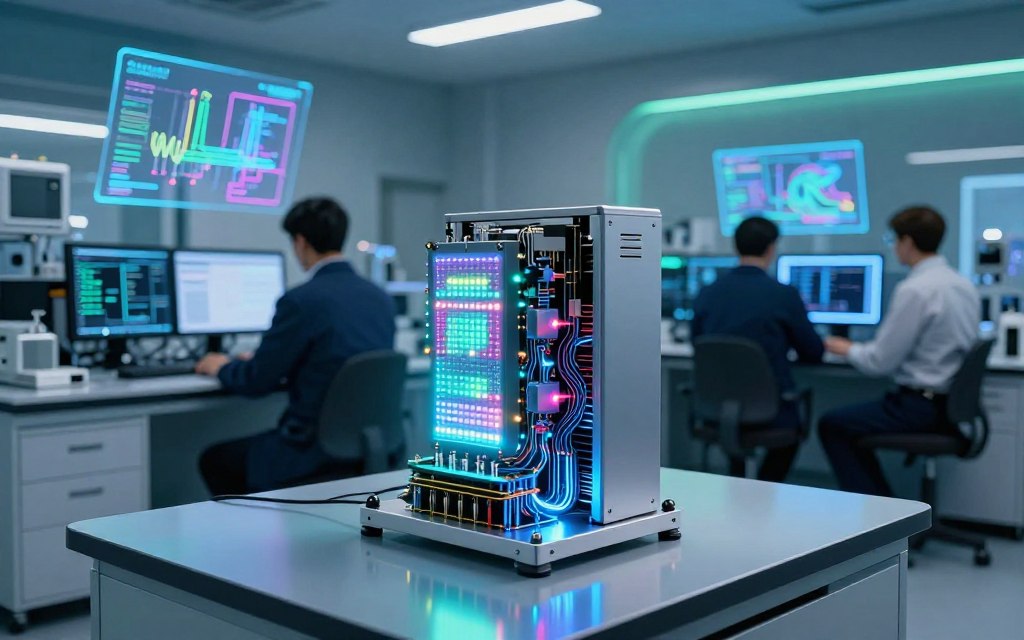
Extended Reality: AR, VR, and Mixed Reality Innovations
Extended reality (XR) includes augmented reality (AR), virtual reality (VR), and mixed reality (MR). These technologies create different experiences that change how we use digital content and interact with the physical world. Knowing their differences helps explain XR’s possible uses across many sectors.
Augmented reality adds digital information to our real-world surroundings. For example, mobile games let players interact with nearby places through their screens. VR creates digital worlds for gaming or tourism; MR blends AR and VR, making digital objects interact with ours.
In enterprise settings, extended reality is changing training and design. Companies use enterprise AR and VR for:
- Employee Training: Immersive simulations reduce training risks by allowing employees to practice in a safe environment.
- Equipment Maintenance: AR can guide technicians through complex repairs with real-time data overlays.
- Healthcare Education: Medical professionals can use VR for realistic practice scenarios.
- Architecture and Engineering: Teams can visualize projects before construction begins.
- Retail Visualization: Customers can see how products look in their homes before purchasing.
- Remote Assistance: Experts can provide support from afar using AR tools.
- Product Design: Designers can test ideas without the need for physical prototypes.
These uses show how XR can improve productivity and innovation across industries. Yet extended reality also reaches consumers through:
- Gaming: Engaging experiences that immerse players in new worlds.
- Entertainment: Virtual concerts and events that bring fans closer to their favorite artists.
- Fitness: Interactive workouts that make exercising more enjoyable.
- Social Interaction: Virtual gatherings that connect people across distances.
- Virtual Shopping: Experiences that allow customers to try before they buy.
- Immersive Education: Learning environments that engage students in unique ways.
Metaverse technology is evolving as a set of connected digital experiences, not one platform. However, widespread XR adoption still faces several barriers:
- Hardware Costs: High-quality devices can be expensive.
- Motion Discomfort: Some users experience discomfort during prolonged use.
- Limited Content: A lack of compelling applications can hinder interest.
- Privacy Concerns: Users worry about data security in virtual spaces.
- Accessibility: Not everyone has access to the necessary technology.
- Fragmented Standards: Inconsistent technologies can complicate user experiences.
Extended reality could become a practical tool in many settings. Mass adoption depends on more comfortable devices, compelling applications, reliable connectivity, and strong user protections.
5G and the Road to 6G Connectivity
As communication enters a new era, 5G technology is changing industries and preparing the way for the next generation, 6G. This high-speed wireless network offers more than faster internet; it changes how we use technology each day.
5G provides several major features that improve connectivity:
- Faster Data Transfer: With speeds up to 100 times faster than 4G, 5G enables seamless streaming and quick downloads.
- Lower Latency: Experience near-instantaneous communication, which is crucial for applications like remote surgery and autonomous vehicles.
- Increased Device Density: 5G can support millions of devices per square kilometer, paving the way for smart cities and IoT applications.
- Network Slicing: This feature allows operators to create virtual networks tailored for specific needs, enhancing performance and efficiency.
- Support for Connected Sensors: Industries can deploy smart sensors that communicate in real-time, optimizing processes in manufacturing, logistics, and agriculture.
Real-world 5G performance depends on spectrum availability, network design, and device capability. Low-latency communication supports these gains across many fields. Its effect is already clear in sectors using industrial connectivity:
- Healthcare: Remote monitoring and telemedicine are revolutionizing patient care.
- Public Safety: Enhanced communication tools are improving emergency response times.
- Immersive Media: High-speed connectivity is elevating gaming and virtual experiences.
Looking ahead, 6G connectivity is becoming a major research frontier. It is not commercially available, but researchers are exploring several possible goals:
- Higher Capacity: Expect significantly more data to be transmitted simultaneously.
- Extremely Low Latency: Aiming for response times in the microsecond range.
- Integrated Sensing and Communications: Combining data collection and transmission for smarter applications.
- AI-Managed Networks: Leveraging artificial intelligence to optimize network performance and security.
- Enhanced Positioning: More accurate location services for various applications.
6G development will also address energy efficiency, cybersecurity, and international standards. As connectivity grows, it can support advances in robotics, autonomous vehicles, and real-time digital services. We should welcome these changes while recognizing the challenges ahead.
“The future of connectivity is not just about speed; it’s about enabling a new wave of innovation.”
Biotechnology and Genetic Engineering Advances
Biotechnology innovation, including genetic engineering, is changing how we address health and environmental challenges. It uses biology and engineering to create solutions for medicine, agriculture, and other fields. These advances may reshape our future.
CRISPR and the Future of Gene Editing
One major biotechnology breakthrough is CRISPR gene editing. This technology lets scientists make precise changes to genetic material, creating new research and treatment paths. CRISPR tools expand studies of inherited disorders, cancer therapies, and improved agricultural traits.
These advances also raise important questions. Scientists must separate laboratory research, clinical trials, and approved treatments. Risks include unintended edits, delivery methods, and long-term effects; ethical concerns include germline modification, informed consent, and equitable access.
Personalized Medicine and Genomic Sequencing
Another exciting biotechnology area is personalized medicine. With genomic sequencing, healthcare providers can identify disease risks, classify tumors, and tailor medicines to patients. This approach supports more personal care and may improve treatment effectiveness.
Genetic information is sensitive, so it needs strong privacy protections and careful interpretation. Genomics should support medical history and lifestyle factors, not dictate treatment alone. As biotechnology evolves, ethical review and regulatory oversight will help protect patients and explain genetic findings responsibly.
Sustainable Energy and Green Technology Solutions
As energy demand grows worldwide, sustainable energy technology is more important than ever. Green technology solutions can cut emissions, pollution, and reliance on limited resources. This section covers advances in solar, wind, and fusion power, plus energy storage and smart grid technology.
Advanced Solar, Wind, and Fusion Technologies
Innovations in advanced solar power are changing how we produce energy. Better photovoltaic materials raise panel efficiency, making solar power more affordable and widely available. Improved manufacturing also lowers costs and supports wider adoption.
Wind energy innovation has advanced, especially through offshore wind farms. New turbine designs and forecasting methods improve project planning and energy capture. These gains help wind power meet rising demand.
Fusion energy offers a long-term path to abundant, low-carbon power. Commercial use still faces engineering, cost, and materials challenges, but research remains promising. Its potential for a sustainable future keeps fusion energy important to researchers and policymakers.
Energy Storage Breakthroughs and Smart Grids
Energy storage helps balance changing renewable power. Lithium-ion batteries lead the market, while new chemistries offer useful alternatives. Long-duration options, including pumped hydro and thermal storage, are gaining ground and better match supply with demand.
Smart grid technology is changing how electricity reaches and serves users. Sensors, software, and automated controls match energy supply with demand. This improves resilience and efficiency while supporting distributed energy resources.
Better transmission infrastructure helps smart grids deliver their full benefits. Responsible mineral sourcing and recycling also support sustainable practices. As the transition continues, equitable access to clean energy remains a priority.
No single solution can meet every region’s needs. A successful energy transition needs varied technologies, efficient markets, modern infrastructure, public policy, and careful environmental planning. For more insights into the evolving landscape of sustainable energy, see this resource.
Robotics and Autonomous Systems
Robotics technology is changing industrial automation and autonomous systems. This work combines machines, sensors, software, artificial intelligence, and control tools. As a result, industries gain productivity, precision, and safety.
In the field of industrial automation, robotics technology supports assembly, inspection, warehousing, packaging, welding, and hazardous work. Collaborative robots, also called cobots, work beside people in selected settings. They help small businesses automate repeated tasks and work more efficiently.
Successful use requires worker training, safe operating procedures, regular maintenance, and strong cybersecurity. Thoughtful job redesign also helps workers adapt to changes from automation.
Industrial Automation and Collaborative Robots
Collaborative robots are now important in manufacturing and service industries. They work safely near people, improving productivity without reducing safety. They can perform tasks such as:
- Assisting in assembly lines
- Conducting quality inspections
- Packaging products
Collaborative robots can streamline operations and reduce labor costs. They especially help small and medium-sized businesses compete in a changing market.
Autonomous Vehicles, Drones, and Delivery Systems
Meanwhile, autonomous systems are changing transportation and logistics. Autonomous vehicles, delivery drones, and farm machines use cameras, lidar, radar, and machine learning. They navigate complex settings and make choices from real-time data.
Autonomous systems have great potential, but practical limits remain. Weather, complex traffic, battery life, and airspace rules all matter. Pedestrian safety and liability also create major challenges.
Autonomy is not an all-or-nothing ability. Many systems have limited autonomy or need remote oversight. This keeps people accountable and supports responsible robotics technology use.
| Technology | Applications | Benefits |
|---|---|---|
| Collaborative Robots | Assembly, Inspection, Packaging | Increased Efficiency, Cost Reduction |
| Autonomous Vehicles | Transportation, Delivery | Enhanced Safety, Reduced Traffic |
| Delivery Drones | Logistics, Supply Chain | Faster Delivery, Lower Costs |
Ethical Considerations and Regulatory Challenges
Trust in emerging technologies depends on addressing ethical concerns. As next-gen technology shapes our world, data privacy, security, and algorithmic bias become more important to technology ethics. These concerns help determine whether innovations can operate fairly and responsibly.
Data Privacy, Security, and Algorithmic Bias
Next-gen technologies often collect vast amounts of personal data, including biometric, health, location, financial, and behavioral information. This raises urgent questions about data privacy and cybersecurity. Responsible AI requires data minimization, informed consent, and access controls.
Encryption and secure development practices protect sensitive information. Organizations must set clear breach response protocols and retention policies to safeguard user data. Algorithmic bias can cause unfair outcomes when algorithms use unrepresentative data or flawed objectives in hiring, lending, healthcare, and policing.
The Need for Global Standards and Governance
These challenges require cooperation among regulators, standards organizations, researchers, businesses, and communities. Effective technology regulation should support transparency, independent testing, and impact assessments. Auditability, liability, and human oversight are crucial for high-risk applications.
Creating international standards is difficult when technologies cross borders and regulatory systems differ. Yet regulation can serve as a framework for protection, building public trust, reducing harm, and encouraging responsible investment. As technology evolves, global technology standards and rules must keep pace with new capabilities and risks.
Conclusion
The future of technology offers great potential, but it also brings serious challenges. Next-gen technology trends are changing how we live and work. Artificial intelligence, quantum computing, and biotechnology expand human abilities, improve efficiency, and solve complex problems across industries.
Technology convergence may create the greatest impact as these developments advance. For example, AI paired with advanced networks can improve data processing. Smart grids can coordinate renewable energy and storage solutions, showing why responsible technological progress matters.
Future-ready businesses must assess practical use cases, workforce readiness, and cybersecurity before adopting new tools. Policymakers and tech leaders should support research while protecting privacy and public trust. Public understanding matters; recent findings show mixed optimism and concern about rapid advances; read about public opinions on technology here.
Technology itself will not define the future; choices about its design, governance, and use will. Collaboration and careful thought can help society use technology innovation to its full potential.