


In recent years, digital tools changed from optional luxuries into essential parts of our routines. This digital transformation changed how we interact with the world around us. The shift from mobile phones to smart homes shows how modern technology shapes daily life.
These advances changed our devices and transformed communication, shopping, travel, and health management. Remote work and online education show how technology in everyday life can offer greater convenience. Still, this shift brings privacy concerns and risks of digital dependence.
This article explores how these innovations affect daily experiences; for more, read this insightful article on the benefits of technology. By tracing different technologies, we can ask, how has technology changed daily life in the United States? Together, these advances help create the connected lifestyle common in the United States today.
Key Takeaways
- Digital tools have become integral to our daily routines.
- Modern innovations enhance communication and accessibility.
- Remote work and online education are reshaping professional landscapes.
- Challenges include privacy issues and digital dependence.
- Technological advancements contribute to a connected lifestyle.
1. The Evolution of Personal Technology: From Feature Phones to Smartphones
The smartphone evolution began with feature phones, mainly designed for voice calls and basic text messages. Personal technology has changed greatly over the past two decades. This journey shows rapid progress in mobile communication and mobile technology.
The Pre-Smartphone Era and Mobile Communication
Before the smartphone revolution, mobile communication was limited. Feature phones dominated the market with physical keyboards and basic functions. Users could call and text, but slow connections offered little internet access.
People needed separate devices for photography, music, navigation, and gaming. Carrying these gadgets was cumbersome and inefficient. As technology advanced, people needed one integrated solution.
The 2007 iPhone Launch and the Smartphone Revolution
The iPhone launched in 2007, marking a turning point in mobile technology. Its sleek design and innovative touchscreen changed consumer expectations. It combined a phone, internet browser, and multimedia device in one compact gadget.
“The iPhone was not just a phone; it was a revolution in how we interact with technology.”
This change began the wider iPhone revolution. Other manufacturers soon followed with Android devices offering similar capabilities. Mobile broadband expanded, giving users lightning-fast internet access and improving the smartphone experience.
Related Posts:
- What Do People Think About Technology Public Opinion…

- How Technology Has Changed the World Positively Key Benefits

- How Technology Is Shaping Teenagers’ Lives: The…

- How Technology Is Transforming Healthcare and…
- What Is Next-Gen Technology? A Look at the…

- Is Graphic Design Part of Information Technology The…

Modern Smartphones as Multi-Purpose Devices
Today, smartphones act as personal hubs that combine many functions. They support work, health management, shopping, transportation, and social interaction. Downloadable apps make them versatile tools for individual needs.
Modern smartphones help people manage finances through mobile banking and track fitness goals. They have become indispensable, showing how far mobile technology has advanced since feature phones.
The shift from feature phones to smartphones has changed daily life. As technology advances, we can expect further innovations to improve our personal and professional lives.
2. Communication and Connectivity in the Digital Age
Digital communication has changed how we interact in personal and professional life. Facebook, Instagram, TikTok, LinkedIn, and WhatsApp help users share updates, exchange media, and connect across great distances. These social media platforms help people maintain relationships through instant messaging and social media posts.
Instant messaging has changed how we communicate. With a few taps, we can send messages, share photos, or start a video call. This speed brings quick replies and closeness, even when people live miles apart.
However, instant messaging can weaken the quality of our interactions.
“While technology allows us to connect more easily, it can sometimes lead to a false sense of intimacy.”
Video conferencing tools like Zoom, Microsoft Teams, and FaceTime have changed communication. They support virtual meetings, family gatherings, and online events without requiring people to share a room. This technology supports remote work and education through new forms of collaboration and learning.
Constant online connectivity also has downsides. Pressure to stay visible can cause notification fatigue and feelings of inadequacy. Larger networks may bring parasocial relationships, where one person feels a connection without reciprocation.
Use these tools with care because they can strengthen relationships. They work best when they supplement, rather than replace, face-to-face interactions.
| Platform | Primary Use | Key Feature |
|---|---|---|
| Social Networking | Community Building | |
| Instant Messaging | End-to-End Encryption | |
| Zoom | Video Conferencing | Screen Sharing |
| Media Sharing | Stories Feature | |
| Professional Networking | Job Opportunities |
Digital communication has reshaped how we connect with one another. By understanding its benefits and challenges, we can use these tools wisely. They can enhance relationships and help us maintain meaningful connections.
3. How Smart Homes Have Reshaped Everyday Living
Smart home technology has changed daily life, creating a more connected home. Devices communicate with one another, improving comfort and convenience. From lighting to security, smart technology simplifies tasks and gives people more control.
Voice Assistants and Centralized Home Control
Voice assistants are at the heart of home automation. They provide hands-free control of many devices through simple voice commands. With them, you can set reminders, control lighting, and play music without lifting a finger.
Amazon Echo and Google Nest Devices
Amazon Echo and Google Nest act as central hubs for smart home management. Each has unique features, but both connect and control many smart appliances with ease. They also schedule routines that coordinate several devices.
Smart Appliances and Energy Management
Smart appliances, including connected refrigerators and robotic vacuums, have changed household chores. They improve convenience and help manage energy use. For example, smart thermostats learn preferences and adjust heating or cooling automatically, saving energy and lowering bills.
Energy-monitoring systems show consumption patterns, helping homeowners make informed energy decisions. By automating tasks and managing resources, smart home technology supports a more sustainable lifestyle.
Home Security and Surveillance Innovations
Home security has gained from smart technology advances. Innovations such as video doorbells, smart locks, and motion sensors improve safety and peace of mind. Users can monitor homes remotely and receive smartphone alerts when unusual activity appears.
These systems improve security and give people control over their environment. However, users should check device compatibility and protect data privacy. Strong passwords and regular software updates help protect your connected home.
4. The Rise of Wearable Technology and Health Tracking
Wearable technology has changed how we monitor health and activity levels. Devices like fitness trackers and smartwatches provide easy access to vital health data. This shift makes health tracking more visible and easier in daily life.
Fitness trackers and smartwatches are common tools for maintaining health. They offer step counts, heart-rate monitoring, sleep estimates, and workout tracking. These features motivate users with exercise reminders, notifications, and emergency alerts for contacts or services.
Fitness Trackers and Smartwatches
Devices like the Apple Watch and Fitbit encourage users to set goals and review health trends. These smart devices connect with smartphones and wellness platforms, making health data easier to manage. However, they offer insights, not substitutes for professional medical advice.
Apple Watch and Fitbit Devices
The Apple Watch and Fitbit devices show how wearable technology can improve health tracking. They motivate users through personalized challenges and reminders. They also track heart rate and activity levels, helping users monitor progress over time.
Medical-Grade Wearables and Remote Patient Monitoring
Medical-grade wearables are becoming more important in healthcare. These devices let clinicians remotely monitor heart activity, glucose levels, and blood pressure. They help manage chronic conditions by showing providers patients’ health between appointments.
Mental Health Apps and Digital Wellness
Mental health apps are useful tools in digital wellness. They offer meditation, digital therapy services, and mood tracking. These tools may reduce stress and anxiety, but constant monitoring can sometimes increase anxiety.
As wearable technology grows, we must balance access with data privacy. Users should understand how devices store and share their health data. Ultimately, wearable technology and digital wellness tools should support, not replace, qualified care.
| Device Type | Key Features | Health Monitoring Capabilities | Target Users |
|---|---|---|---|
| Fitness Trackers | Step tracking, heart rate monitoring | Activity levels, sleep quality | General fitness enthusiasts |
| Smartwatches | Notifications, apps, fitness tracking | Heart rate, ECG, activity levels | Tech-savvy users |
| Medical-Grade Wearables | Remote monitoring, alerts | Blood pressure, glucose levels | Patients with chronic conditions |
| Mental Health Apps | Meditation, mood tracking | Stress management | Individuals seeking mental wellness |
5. Entertainment and Media Consumption in the Connected Era
The entertainment landscape has changed greatly in recent years. Technology has reshaped how people consume media and enjoy digital entertainment. This section examines how streaming services changed viewing habits and preferences.
5.1 Streaming Services and On-Demand Content
Streaming services changed how people access and enjoy content. Platforms like Netflix, Disney+, and Hulu let users watch favorite shows and movies whenever they choose. Moving from scheduled programs to on-demand content offers great convenience.
5.1.1 Netflix, Disney+, and Hulu
These platforms offer large libraries for many tastes. Users can binge-watch full seasons or explore genres without time limits. Recommendation systems help viewers find content matched to their preferences, improving the experience.
5.2 Gaming and Interactive Entertainment
Today, online gaming has grown quickly and become a major form of entertainment. Gamers enjoy immersive experiences on consoles, PCs, and mobile devices. Cloud gaming and livestreaming have built active online communities where players interact and share experiences.
This interactive format builds social connections and makes gaming a shared experience. Gaming and traditional media now overlap, creating a rich world of digital entertainment.
5.3 The Decline of Traditional Media Formats
As streaming and gaming grow, DVDs, CDs, and broadcast television are declining. Physical media once shaped entertainment, but instant access has made it less relevant. Some audiences still value ownership and reliability, while many prefer digital platforms’ flexibility.
Streaming services and interactive entertainment show broad changes in media consumption. As technology evolves, our entertainment habits will also change. This shift will create a more connected and dynamic media landscape.
For more insights into how technology shapes public opinion and perceptions, visit this link.
6. Shopping and Commerce: The E-Commerce Revolution
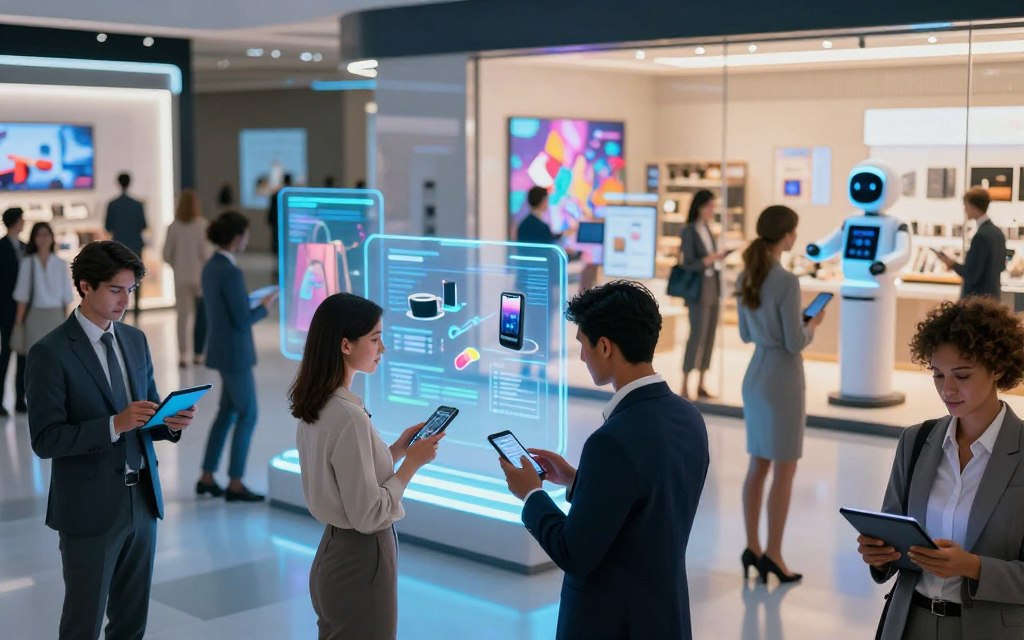
The e-commerce revolution has reshaped retail and made shopping more accessible. People can explore products, read reviews, and compare prices at home or while traveling. This change has shifted how customers connect with brands and choose what to buy.
Online Marketplaces and Mobile Shopping
Online marketplaces are now a regular part of shopping. Platforms like Amazon and Shopify help people find many products with ease. Amazon is a massive third-party marketplace selling electronics, groceries, and more, while Shopify helps independent businesses build branded online stores.
Amazon and Shopify Platforms
Amazon dominates the marketplace, while Shopify helps small businesses build an online presence. This difference shows consumers have many choices and highlights the value of supporting local businesses. As the e-commerce revolution continues, both platforms adapt to changing consumer expectations.
Digital Payment Systems and Contactless Transactions
Digital payments have streamlined checkout, making transactions faster and more secure. Stored payment details and mobile checkout let customers complete purchases with one tap. Contactless transactions are also popular because they offer convenience and reduce physical contact.
Personalized Recommendations and AI-Driven Retail
Artificial intelligence plays a key role in improving shopping. AI-driven retail uses personalized recommendations to help consumers find products that match their preferences. It also supports inventory forecasting, search tools, and fraud detection for a smooth shopping journey.
These advances also bring challenges that need attention, including privacy concerns, counterfeit products, and return waste. The e-commerce revolution has made shopping convenient but raised expectations for speed, availability, and personalization.
“Technology has made commerce more convenient while also changing expectations around speed, availability, and personalization.”
7. Work and Productivity: Remote Collaboration Tools
Remote work technology has changed productivity tools and collaboration methods. Today, businesses use technology to manage communication and projects across locations. This shift helps teams work efficiently, even when members are apart.
7.1 Cloud Computing and File-Sharing Platforms
Cloud computing has changed how employees access files and applications. Cloud-based tools let team members open documents, calendars, and business systems anywhere, at any time. This flexibility supports dynamic work and smooth collaboration.
7.1.1 Microsoft 365 and Google Workspace
Microsoft 365 and Google Workspace are popular productivity software platforms for modern workplaces. Key features include:
- Document Collaboration: Teams can work together on documents in real-time.
- Spreadsheets and Presentations: Create and share complex data and engaging presentations.
- Email and Shared Storage: Efficient communication and easy access to files.
- Video Meetings: Connect face-to-face through virtual meetings.
- Real-Time Editing: Make instant changes and see updates live.
7.2 Project Management and Communication Software
Project management tools improve teamwork with task boards, shared timelines, and digital whiteboards. They streamline workflows and help everyone stay informed. However, too many messages can split attention and reduce productivity.
7.3 The Hybrid Work Model and Its Lasting Effects
The hybrid work model has changed hiring and workplace culture. Companies are adapting office designs for flexible work arrangements. This shift gives employees more flexibility but also creates challenges, including:
- Blurred Boundaries: The line between work and personal time can become indistinct.
- Cybersecurity Risks: Increased reliance on digital tools necessitates robust security measures.
- Performance Measures: Focus on results rather than constant online presence.
As organizations adopt these changes, clear communication rules and cybersecurity training help protect productivity and employee well-being.
8. Education and Learning in the Digital Classroom
The rise of online learning has changed education, letting students learn anywhere and anytime. This shift comes largely from e-learning platforms with many resources and tools. They offer video lessons, digital readings, quizzes, assignments, discussion forums, and certificates.
E-Learning Platforms and Online Courses
Popular e-learning platforms such as Coursera, Khan Academy, and Udemy have changed education. Each platform offers unique opportunities:
| Platform | Type of Courses | Cost |
|---|---|---|
| Coursera | University-linked courses | Varies (some free) |
| Khan Academy | Free academic resources | Free |
| Udemy | Marketplace-based professional or hobby courses | Varies (often low-cost) |
These platforms meet many learning needs, from formal education to personal interests. Students can pursue professional certifications or learn new skills at their own pace.
Interactive Tools and Educational Technology
Interactive educational technology improves the learning experience. Learning management systems, virtual laboratories, and adaptive practice software create engaging spaces. Digital textbooks and classroom response tools also improve access for all learners.
Lifelong Learning and Skill Development
In a fast-changing job market, lifelong learning is essential. Online learning supports career changes, language study, and personal interests. Challenges include motivation, quality control, and unequal access to devices and broadband. A leading educator shared this view:
“The future of education lies in our ability to adapt and embrace new technologies.”
Instructor guidance remains vital when people face these challenges. The digital classroom supports continuous learning and skill development in an economy shaped by automation and technological advancement.
9. Transportation and Navigation: From Maps to Autonomous Vehicles
Transportation and navigation show how technology affects daily life. Digital navigation has mostly replaced paper maps with dynamic, personal, responsive route planning. GPS navigation and real-time navigation apps provide up-to-date traffic data, location services, and estimated arrival times.
GPS and Real-Time Navigation Apps
GPS navigation has changed how we travel. Real-time navigation apps provide:
- Accurate directions: Get precise routes tailored to your current location.
- Traffic updates: Avoid congestion with live traffic information.
- Public transit options: Plan trips using various modes of transportation.
Popular apps include Google Maps and Waze. Google Maps offers broad maps and business information, while Waze highlights user road updates and traffic reports. Both apps improve how we navigate.
Ride-Sharing Services and Mobility Platforms
Ride-sharing services have changed urban transportation. These app-based platforms let users:
- Book rides instantly: Access on-demand transportation with a few taps.
- Make cashless payments: Enjoy seamless transactions without cash.
- Rate drivers and riders: Build trust through reviews and feedback.
Ride-sharing services offer route tracking and micromobility options as convenient alternatives to traditional taxis.
Electric Vehicles and the Push Toward Autonomy
Electric vehicles (EVs) lead the transportation revolution. They offer several advantages:
- Lower emissions: Reduce your carbon footprint with eco-friendly options.
- Extensive charging networks: Find charging stations easily across cities.
- Advanced driver-assistance systems: Experience enhanced safety features.
The gradual development of autonomous vehicles may bring even greater changes to transportation. However, challenges include privacy, safety, and infrastructure readiness.
10. How Has Technology Changed Daily Life in Personal Finance and Banking
Personal finance technology has changed banking and money management in major ways. Financial tasks once requiring bank visits, paper statements, or phone calls now take a few taps. This change makes managing money more accessible and efficient for everyone.
One major advance is mobile banking. With mobile banking apps, users can check balances, deposit checks, transfer funds, and pay bills without visiting a bank. Many apps include budgeting dashboards that help users track spending and savings.
Mobile Banking and Digital Wallets
Digital wallets let users store payment information securely. Services like Apple Pay, Google Pay, and Venmo support quick transactions and person-to-person transfers. These platforms use device protection and transaction verification, making them reliable for everyday purchases.
Apple Pay, Google Pay, and Venmo
These digital wallets support contactless payments and easy fund transfers. Users can shop at stores, pay friends, and split bills with ease. However, use legitimate applications to avoid security risks.
Investment Apps and Robo-Advisors
Investment apps and robo-advisors have democratized investing, letting people manage portfolios with ease. Automated portfolio tools offer strategies based on each user’s risk tolerance and financial goals. Fractional investing and educational content lower market barriers for more people.
Cryptocurrency and Decentralized Finance
The rise of cryptocurrency has added a new dimension to personal finance. Blockchain-based assets and digital wallets let users trade and store cryptocurrencies securely. However, users must understand risks such as volatility, fraud, regulatory challenges, plus smart contracts and irreversible transactions.
Technology has made personal finance and banking easier, helping people manage money and invest wisely. By using these advances, people can control their financial futures while staying alert to related risks.
| Feature | Mobile Banking | Digital Wallets | Investment Apps | Cryptocurrency |
|---|---|---|---|---|
| Accessibility | High | High | Medium | Medium |
| Security | Strong | Strong | Moderate | Variable |
| Ease of Use | Very Easy | Very Easy | Easy | Moderate |
| Investment Options | No | No | Yes | Yes |
| Risk Level | Low | Low | Medium | High |
11. The Future of Daily Life: AI, IoT, and Emerging Innovations
Artificial intelligence in daily life and the Internet of Things are transforming how people use technology. These are more than buzzwords; they are changing how we interact with the world around us. This overview explores everyday AI, the growing IoT network, and ethical questions about emerging technology.
Artificial Intelligence in Everyday Applications
Artificial intelligence now supports many daily routines. Smart assistants manage schedules, while algorithms improve online experiences. AI makes a significant impact in these areas:
- Search and Recommendations: AI algorithms improve search results and suggest content tailored to individual preferences.
- Fraud Detection: Financial institutions use AI to identify and prevent fraudulent activities in real-time.
- Customer Service: Chatbots powered by AI provide immediate assistance, enhancing customer satisfaction.
- Navigation: AI-driven apps offer real-time traffic updates and route optimization.
- Accessibility Tools: AI aids individuals with disabilities by providing voice recognition and translation services.
- Predictive Maintenance: AI systems monitor equipment health, predicting failures before they occur.
The Expanding Internet of Things Ecosystem
The Internet of Things links devices across homes, vehicles, health care, and public spaces. This connected network lets devices exchange data, improving automation and personalization. These examples show the growing IoT ecosystem:
- Smart Homes: Devices like smart thermostats and security cameras communicate to enhance home management.
- Connected Vehicles: Cars equipped with IoT technology provide real-time diagnostics and navigation assistance.
- Healthcare Systems: Wearable devices track health metrics, sharing data with healthcare providers for better patient outcomes.
- Public Infrastructure: Smart city initiatives use IoT to optimize traffic flow and reduce energy consumption.
Ethical Considerations and Digital Balance
AI and IoT offer major benefits, but they also raise important ethical questions. Algorithmic bias, data privacy, and surveillance need careful attention. These concerns show why ethical technology and digital privacy matter:
- Algorithmic Bias: Ensuring AI systems are fair and unbiased is crucial for equitable outcomes.
- Transparency: Users should understand how their data is used and how decisions are made by AI systems.
- Digital Privacy: Protecting sensitive personal information is essential in an increasingly connected world.
- Employment Disruption: The rise of automation may lead to job displacement, necessitating retraining and support.
- Unequal Access: Bridging the digital divide is vital to ensure all communities benefit from technological advancements.
People can respond with practical digital-balance habits. Limit unnecessary notifications, review app permissions, and keep offline activities. Choosing technology that supports personal or community goals can build a healthier digital environment.
For more insights into the future of artificial intelligence, explore this resource.
12. Conclusion
The impact of technology on daily life is profound. It has combined tasks that people once handled separately. Smartphones now handle communication, navigation, entertainment, and health, while smart homes automate daily tasks.
Wearables provide ongoing health insights, while digital platforms make work and education more accessible and flexible.
These advances offer major benefits of technology, including convenience and personalized services. Faster communication builds connections and creates learning opportunities, but screen dependence and unequal access can limit these benefits. Yet this digital future brings privacy risks, cybersecurity threats, and misinformation that can weaken trust.
To navigate this landscape, responsible technology use is essential. People must protect personal information and balance online and offline life as we look ahead. Technology’s influence will depend on our choices; thoughtful digital tools can create a more connected, enriched life.